
Urban Planning and Community Spaces
Examining the role of thoughtful urban planning in creating vibrant, inclusive communities through architectural design.
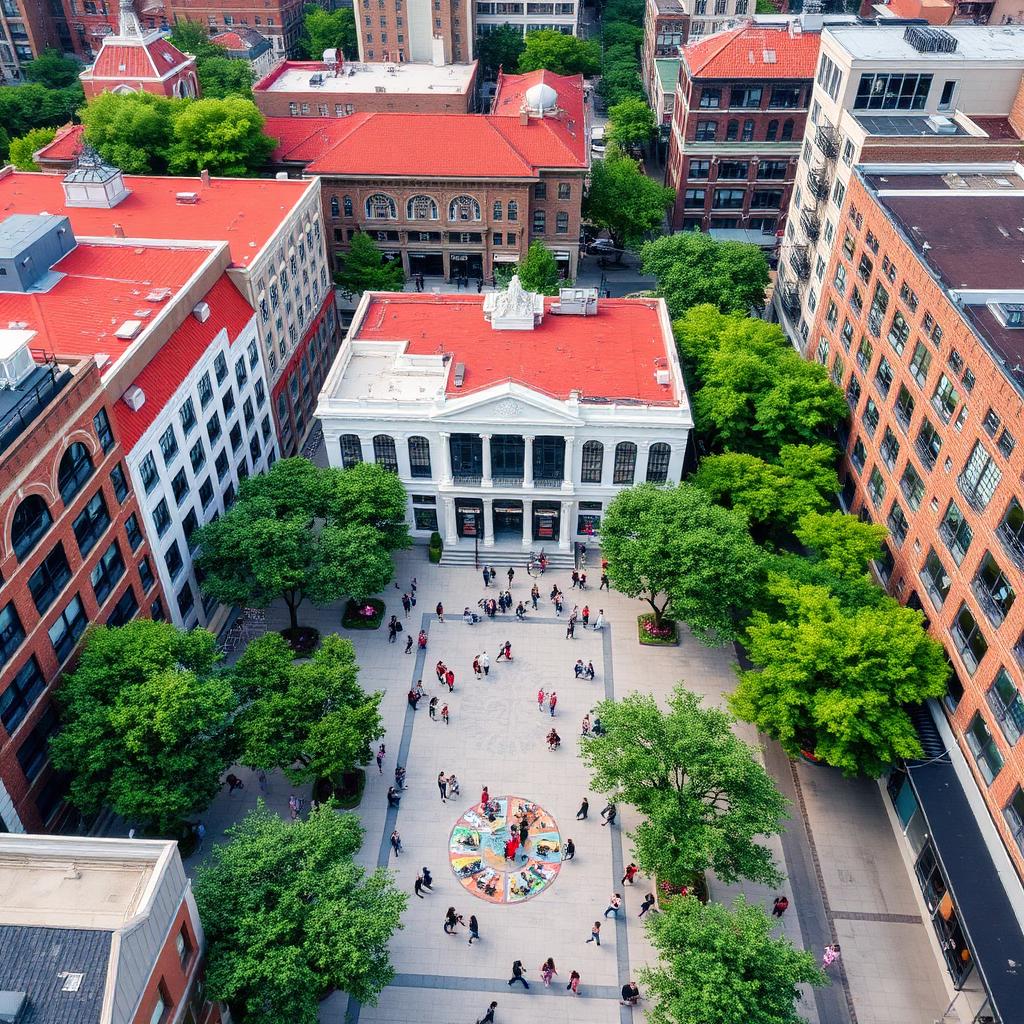
Urban Planning and Community Spaces
The fabric of our cities is woven through the careful orchestration of public and private spaces, each contributing to the complex ecosystem of urban life. As populations continue to urbanize, the role of thoughtful urban planning and community-centered architectural design becomes increasingly critical in shaping livable, sustainable, and equitable cities.
The Evolution of Urban Planning
Urban planning has evolved from purely functional considerations—managing traffic flow, utilities, and zoning—to encompass broader goals of social equity, environmental sustainability, and community well-being. This shift recognizes that cities are not just collections of buildings and infrastructure, but complex social organisms that require careful nurturing.
From Zoning to Place-Making
Traditional zoning practices often created segregated, single-use districts that required extensive commuting and limited social interaction. Contemporary urban planning embraces mixed-use development and place-making strategies that:
- Encourage walkability and cycling
- Mix residential, commercial, and office spaces
- Create destinations rather than just developments
- Foster chance encounters and community building
The Architecture of Community
Community spaces serve as the living rooms of our cities—places where strangers become neighbors, where cultural exchange happens naturally, and where the social fabric of urban life is strengthened.
Public Squares and Plazas
Well-designed public squares act as outdoor rooms that can accommodate a variety of activities:
- Markets and festivals
- Informal gatherings and people-watching
- Children's play and elderly socialization
- Political demonstrations and civic engagement
Community Centers and Libraries
Modern community centers are evolving beyond their traditional roles to become:
- Flexible spaces that adapt to different needs
- Technology hubs providing digital access
- Venues for lifelong learning and skill development
- Safe havens during emergencies or extreme weather
Parks and Green Spaces
Urban parks provide essential ecosystem services while creating opportunities for recreation, contemplation, and community gathering. Effective park design considers:
- Diverse programming for different age groups
- Seasonal activities and year-round usability
- Biodiversity and habitat creation
- Stormwater management and climate resilience
Principles of Inclusive Design
Creating truly community-centered spaces requires attention to inclusivity and accessibility:
Universal Design
Spaces should be usable by people of all abilities, ages, and backgrounds. This includes:
- Physical accessibility through ramps, elevators, and clear sightlines
- Sensory considerations for those with hearing or visual impairments
- Cultural sensitivity in programming and design
- Economic accessibility through free or low-cost activities
Safety and Comfort
Community spaces must feel safe and welcoming to all users:
- Good lighting and clear sightlines
- Natural surveillance through strategic positioning
- Comfortable seating and weather protection
- Clean and well-maintained facilities
The Role of Participation
Successful community spaces are designed with, not just for, the people who will use them. Participatory design processes involve:
Community Engagement
- Public meetings and design charrettes
- Surveys and focus groups with diverse stakeholders
- Pop-up installations to test design ideas
- Ongoing feedback and adaptation
Cultural Responsiveness
Understanding the specific cultural context of a community is essential:
- Recognizing existing social patterns and traditions
- Incorporating local materials and architectural vernacular
- Supporting local businesses and economies
- Celebrating cultural diversity through programming and design
Technology and Smart Cities
The integration of technology into urban planning offers new opportunities for community building:
Digital Infrastructure
- Free Wi-Fi in public spaces
- Digital wayfinding and information systems
- Online platforms for community organizing
- Data collection for continuous improvement
Responsive Design
Smart city technologies can make spaces more adaptive to community needs:
- Lighting that responds to usage patterns
- Flexible infrastructure for different events
- Real-time feedback systems
- Environmental monitoring for health and comfort
Challenges and Opportunities
Gentrification and Displacement
Well-designed community spaces can inadvertently contribute to gentrification. Planners must consider:
- Affordable housing preservation
- Local business protection
- Community ownership models
- Equitable development strategies
Climate Change Adaptation
Urban planning must increasingly consider climate resilience:
- Heat island effect mitigation
- Flood management and permeable surfaces
- Emergency shelter and evacuation routes
- Food security and urban agriculture
Case Studies in Success
Copenhagen's Public Spaces
Copenhagen has transformed itself into one of the world's most livable cities through strategic investment in:
- Extensive cycling infrastructure
- Year-round public space programming
- Climate-adapted design for Nordic conditions
- Strong public-private partnerships
Medellín's Urban Acupuncture
Medellín, Colombia, has used targeted architectural interventions to transform neighborhoods:
- Library parks in underserved areas
- Cable car systems connecting hillside communities
- Green corridors along waterways
- Community-led improvement projects
The Future of Community-Centered Design
As we look toward the future, several trends are shaping community-centered urban design:
Tactical Urbanism
Temporary, low-cost interventions that test ideas before permanent implementation:
- Pop-up parks and parklets
- Temporary bike lanes
- Street art and murals
- Community gardens
Intergenerational Design
Spaces that bring together people of all ages:
- Playgrounds adjacent to senior seating
- Community workshops and maker spaces
- Intergenerational housing models
- Shared learning environments
Conclusion
The future of our cities depends on our ability to create spaces that strengthen community bonds while addressing the challenges of urbanization, climate change, and social inequality. Through thoughtful urban planning and community-centered architectural design, we can build cities that are not just efficient and sustainable, but truly livable for all their inhabitants.
The most successful community spaces are those that grow and evolve with their users, adapting to changing needs while maintaining their essential character as places of gathering, exchange, and belonging. As architects and planners, our role is to provide the physical framework for community life while remaining flexible enough to support the unexpected ways that people will inhabit and transform these spaces.
